


Can contacts freeze?
Winter should be about sipping hot chocolate, making snow angels, and getting cozy by the fire, not wondering if your contact lenses are going to freeze if you spend time outside on a cold day. But now that we put the idea in your head, can contacts freeze? Yes, they can if you leave them in a cold environment, but this won't happen as long as they're nestled against your warm eyes.
Before we get into all the frosty details, here are some key takeaways:
-
Contacts can't freeze in your eyes because your body's natural warmth protects them. (Thank goodness!)
-
Contacts can freeze if you leave them outside or store them in a cold vehicle. It's also possible for lenses to freeze if they're shipped in extreme temperatures.
-
If your contacts freeze inside the packaging, there's a good chance they'll be fine. Contact lenses ship in saline solution, which contains sodium chloride (salt). The addition of salt lowers the freezing point, so your contacts may not freeze even if it falls below 32 degrees Fahrenheit.
Can contacts freeze on your eyes?
No, your contacts won't freeze on your eyes. Here's why:
Contacts sit on the surface of the eye, which has an average temperature of 95 degrees Fahrenheit immediately after you blink. This causes your eyes to function like little space heaters. Even when you go outside, the internal heat prevents your contact lenses from freezing.
Now, could your contacts freeze if you were exposed to extreme conditions? Maybe if you went on an unplanned polar expedition, but frozen lenses would probably be the last thing on your mind if that happened — you'd be more worried about hypothermia and frostbite.
So, your contacts can't freeze in your eyes, but you can still feel some eye discomfort in cold weather. Dryness, burning, itching and watery eyes are common during the winter. You may also develop a high level of lens awareness, which is when you suddenly feel your contacts' presence more than usual.
If you struggle with these symptoms, here are a few tips to make wearing contacts in the winter more comfortable.
-
Switch to daily disposables to eliminate irritation caused by protein buildup.
-
Take out your contacts when you're at home.
-
Use lubricating eye drops.
-
Wear sunglasses or ski goggles to protect your eyes from harsh winds.
Learn how to order contact lenses online at 1-800 Contacts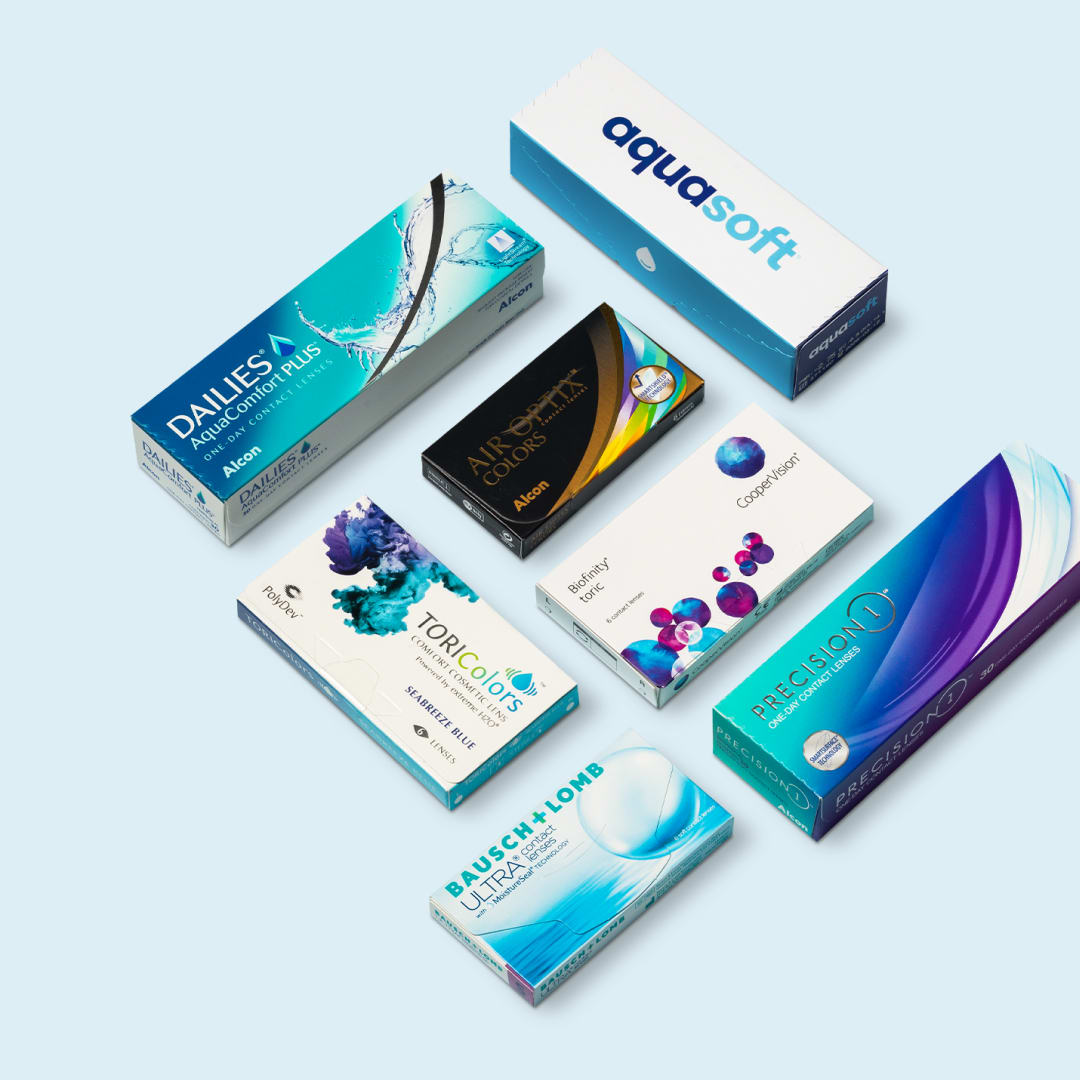
What temperature is too cold for contacts?
There's no temperature that's too cold for contacts if you're wearing them. You can go outdoors in Alaska, Antarctica, Greenland, or Russia (all known for extremely cold winters) without worrying that a lens will freeze and stick to your eye.
When people ask what temperature is too cold for contacts, they're usually asking about the minimum temperature for lenses stored in contact solution. The answer? It depends on what type of solution you use.
It's best to keep your contacts out of environments that are colder than 32 degrees Fahrenheit (the freezing point of water). Many saline solutions have lower freezing points, but this gives you a bit of a cushion in case you switch saline products or start ordering contacts from a different supplier.
If you store your contacts in a vehicle or leave them sitting on your porch all night, there's a chance the saline solution will be frozen when you finally remember them. The good news is that frozen saline solution doesn't automatically mean you have to trash your lenses.
What happens if contacts are left in the cold? Do lenses get ruined if they freeze?
The main risk of leaving contacts in the cold is that the saline solution will freeze. Fortunately, modern lenses are surprisingly resistant to damage.
That said, freezing can be a problem in these situations:
-
The blister pack has a broken seal when you open the package.
-
The solution looks strange or starts leaking.
-
Your lenses look dried out, cloudy, or warped.
What to do if your contacts freeze
If you suspect your contacts are frozen in the package, here's a step-by-step rescue plan:
-
Bring them indoors right away.
-
Keep them at room temperature. Don't put your lenses right next to a space heater or use a microwave to thaw them. This is one of those situations when slow and steady wins the race.
-
Inspect the packaging for tears, cracks, or other signs of damage. Discard the contacts if you notice any of these issues.
-
Check your lenses. They should have the same shape they usually do.
-
Make sure the saline solution isn't cloudy or filled with floating debris.
Making winter memories is fun, but an eye infection isn't really a memory worth having. If you aren't 100% sure your lenses are safe, order a new pair. You can prevent freezing by following these tips:
-
Keep the lenses in your carry-on bag when you travel. The cargo hold of a plane can get quite cold.
-
Don't leave your contacts in your car at night.
-
Store contacts away from drafty windows.
-
Bring your contacts inside as soon as they're delivered. If you're out of town, ask a trusted friend to collect your packages and bring them indoors.
What are the best lenses for winter?
During the winter, many contact wearers worry about the cold when they should be thinking about dryness and wind. The best winter lenses are usually the ones designed to retain moisture and kick irritation to the curb.
Manufacturers use various materials and design features to help you stay comfortable all winter long:
-
Silicone hydrogel: Silicone hydrogel offers superior oxygen permeability — aka more oxygen can reach your corneas, reducing dryness and irritation.
-
Wetting agents: Many modern lenses contain wetting agents, which allow tears to spread evenly over each contact. If you're interested in the nitty-gritty scientific details, wetting agents turn water-repelling surfaces into water-loving ones. Uniform tear film improves comfort in cold weather.
-
Daily disposables: With daily disposables, you get a fresh pair of lenses every day. This can help with irritation caused by protein deposits.
-
Smooth surfaces: Look for contact lenses with surfaces designed to reduce friction when blinking.
The right type of lens also depends on your environment. There's a big difference between discomfort caused by cold, dry air and discomfort caused by cold, humid air. Indoor heating plus low winter humidity levels are a recipe for dryness. Stick with lenses designed to retain moisture.
If you live in a coastal area, you're probably battling heavy winds harder than Harry Potter has ever battled Voldemort. Wind contributes to irritation by causing tears to evaporate faster than usual. Guard your eyes against wind-related irritation by wearing sunglasses or using another form of wind protection.
So, can contacts freeze in cold weather? Not really, but lens solution can freeze if the temperature drops below freezing. As long as you bring your contacts inside soon after they arrive, you shouldn't have any problems. Use 1-800 Contacts to find your preferred brand.
See how to get free shipping on affordable lenses, as well as the time it takes to get them and how to save time and money on the entire process. How much are contact lenses? Compare the prices of daily, weekly, biweekly, and monthly contact lenses and find the best option for you. See where to order contacts online, according to price and shipping times. Compare top online retailers to find the best deal for you. Everything you need to know about contact lenses
Free shipping for contact lenses
How much do contacts cost?
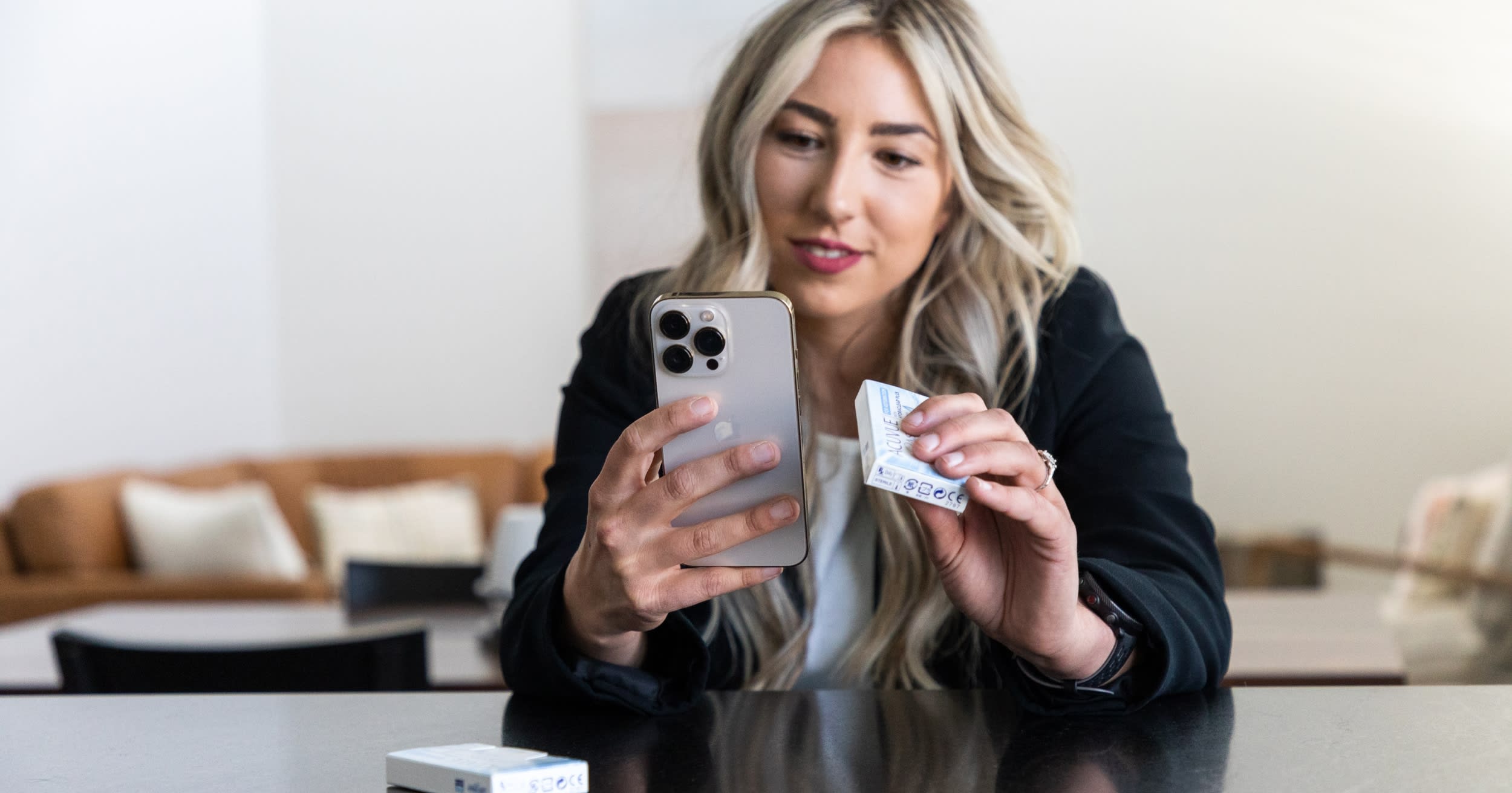
Where to order contacts online
Did you know you can order contacts online?
Say goodbye to trips to the eye doctor and hello to convenience! With 1-800 Contacts, you can easily order your contact lenses online and have them delivered straight to your door. Plus, our online vision exam makes it simple to get the prescription you need without leaving home. And the best part? You’ll save money on your first order with 1-800 Contacts. It’s never been easier to get your contacts!