


Can you add anti-glare to glasses after purchase?
If you find it hard to see because your eyeglasses are reflecting light, you can add anti-glare to glasses after purchase — with a few caveats.
It's simpler and easier on the wallet to add coatings before you buy glasses, but you don't always know what you need until later. (Like spicy mayo to go with those fries. You're welcome!).
If your lenses are in pristine, just-got-them-from-the-lab condition, adding an anti-glare coating may be doable. This upgrade can:
-
Enable more light to pass through the lenses and reach your eyes, preventing strain
-
Reduce the amount of bounced light so your vision is clearer
-
Make your eyes more visible behind your glasses in photos and Zoom calls (go ahead, give ‘em a wink!)
Adding anti-glare to glasses after purchase does take time and expense. Let's explore what's involved.
Should you add anti-glare to glasses?
An anti-reflective coating can offer relief when your glasses are scattering light like a disco ball. The decision to get the coating comes down to your needs and lifestyle. Think about what your eyes are up against each day and what they need to thrive.
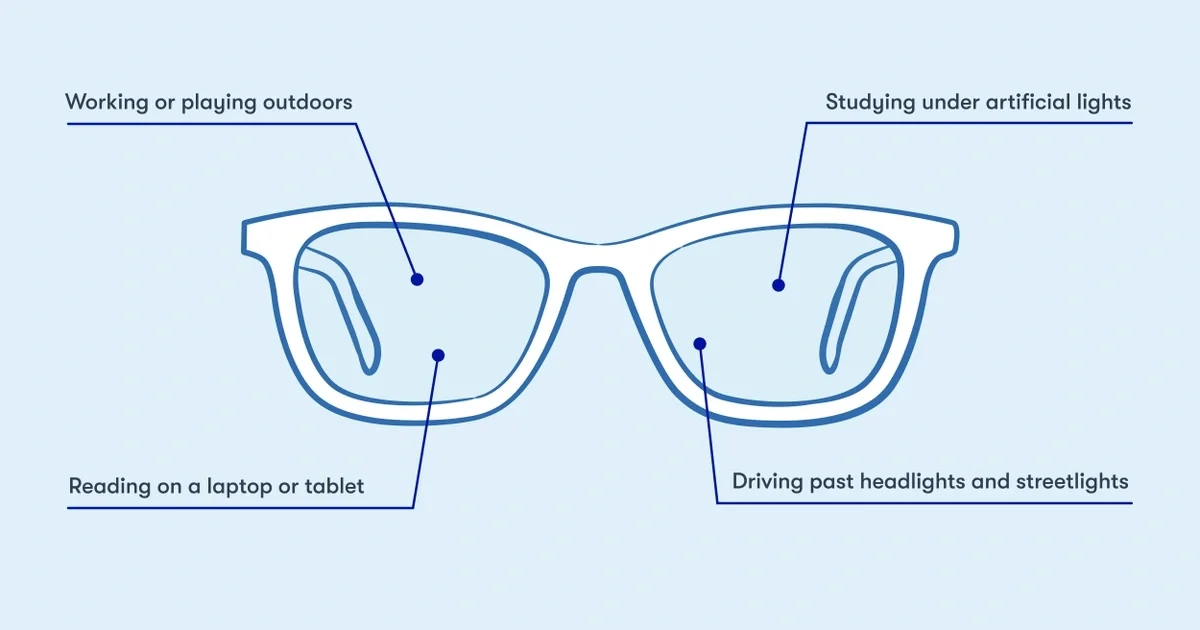
Whether you want to order new glasses or give your current ones a redo, here are scenarios where anti-glare may be helpful.
-
Working or playing outdoors. Cut down on reflections from sun, water, and snow. Bonus: Consider adding a UV-protective coating to block harmful rays.
-
Studying under artificial lights. Reduce eye fatigue and help your eyes kick back and chill when indoor lighting feels harsh.
-
Locking in on a laptop or tablet. Tone down screen glare that causes eyestrain and eliminates reflections in your lenses during video calls. You can also try blue light filters if your days are screen-heavy.
-
Navigating headlights and streetlights. When fuzzy halos appear around lights at night, anti-reflective coatings may tone down the glow and improve clarity.
How to put anti-glare on glasses after you buy them
An optical expert will need to inspect and clean your lenses to apply anti-glare coating. The job takes serious skills, so put away your duct tape and DIY energy for this one.
Here's how and where to get anti-glare coating for your glasses.
-
Choose a reputable provider. Find an optical lab with experience applying coatings to previously purchased lenses. Incorrectly applied coatings can cause streaking, and you're trying to reduce visual chaos, not create it.
-
Inspect your lenses. Your optician will examine your glasses for scratches or oily residue. Your lenses need to be in mint condition before you can add an anti-glare coating after purchase.
-
Determine if lenses are compatible. Your optician will also determine if your lens is compatible with the anti-reflective coating. For example, if you have an anti-fog coating, you can't put an anti-glare treatment on top.
-
Clean and prepare lenses. If your lenses pass inspection, the magic begins. Your lenses are cleaned, rinsed, and dried repeatedly. Every last bit of oil, dust, and lint is removed so the coating adheres securely.
-
Apply anti-glare coating. The coating is applied in multiple layers. Each one cancels or blocks different light waves, so more light is transmitted through the eyeglass lens.
Don't worry if your current eyewear doesn't pass scrutiny and is considered too damaged for anti-glare technology. Time for Operation Fallback. You can likely keep your frames and swap out the lenses for a new set with anti-reflective properties.
Get premium eyeglasses frames starting at $79 Get premium eyeglasses frames starting at $79 
The Framery at 1-800 Contacts
The Framery at 1-800 Contacts
How much does it cost to add anti-glare to glasses?
You can expect to pay $20 to $100 for anti-glare coatings when you first purchase glasses, with some premium coatings costing over $150. The cost varies depending on the lens, coating type, and provider. Online retailers are typically the most affordable and may include basic coatings as part of your costs.
It's easier to deck out your lenses during the initial lens manufacturing process. Costs increase if you’re applying anti-glare after purchase. You're paying for the time spent cleaning and preparing your lenses on top of the cost of the coating.
What's better: anti-glare or blue light glasses?
Anti-glare coatings are best if you want to reduce overall reflections from the sun, overhead lights, and headlights, which can interfere with your vision. Blue light glasses are better for filtering light specifically from digital screens. They absorb higher-energy blue wavelengths and may minimize screen-related headaches and improve sleep. Both coatings can reduce strain and help your eyes feel less tired.
The good news is, you don’t have to pick between anti-glare and blue light glasses. It's like curating a playlist — you can enjoy both Bad Bunny and the Beatles. There are many lens types and coatings, and you can often combine them in one pair when ordering glasses. Mix it up and select coatings depending on your daily vibe.
Customizing coatings on your glasses
Not sure where to start? Put away the Bat Signal, help is here! Let's walk through some choices so you can choose coatings based on your needs.
First, find a frame for your face shape and a lens based on your vision correction needs, such as progressive, multifocal, or high index lenses. Now you're ready to customize coatings. You might stick with clear lenses or opt for blue light glasses to survive the late-night spreadsheets and streaming marathons. If you're planning for outdoor adventures, you can choose polarized sunglasses or light-responsive lenses, which transition from clear to tinted in bright sunlight.
You can explore your lens options at The Framery, where basic coatings are bundled with your order:
-
UV protection to safeguard your eyes from sun damage
-
Glare reduction to reduce reflections
-
Scratch resistance to guard against everyday scuffs
In addition, you can level up to a deluxe coating, so your lenses are also:
-
Oil-repellent to help prevent smudges and fingerprints
-
Anti-static to keep away dust
-
Easy to clean
The coatings you choose ensure your glasses are working hard for you, day in and day out. Slip on the UV, glare reduction, and anti-static protection in layers like sweaters on a chilly day. Each coating adds more comfort and functionality, helping you achieve clear, effortless vision.
How long do anti-glare coatings last?
Anti-glare coatings typically last a couple of years or more, depending on quality and care. For example, if you use abrasive materials when cleaning your glasses (and you shouldn't!), your lenses may start to look cloudy or scratched sooner.
If your lenses are on the battle-worn side, they could probably use recoating to restore their effectiveness. This could even be a gentle nudge that it's time to get new glasses. It's a good chance to update your prescription, refresh your look, and pick all the coatings you need up front. Visit The Framery online and explore premium eyeglass frames and customize glasses that fit your lifestyle.
Compare your vision insurance options. Find all the details you need to find the best coverage for your preferences and budget. Find out which frames are best for your face shape and which ones to avoid and why. Turn to celebrity examples and view a handy glasses face shape chart. See how to order glasses online and try frames on at home. Understand what information you'll need to order your glasses, plus what to avoid. Everything you need to know about ordering glasses online

Best vision insurance for contacts and glasses

What are the best glasses for your face shape?

Can you order glasses online with your prescription?
Original publish date: 12/7/23
Updated date: 4/10/26