


The truth about blue eyes
Blue eyes have a reputation.
They’re described as icy. Piercing. Oceanic. (Sometimes all three in the same dating profile.)
But here’s the plot twist: blue eyes aren’t actually blue in the way you think they are. And they didn’t even exist in early humans.
Let’s get into it.
What causes blue eyes?
Short answer: less melanin.
Long answer: your eye color is controlled by the amount of melanin in your iris. Brown eyes have more of it. Blue eyes have much less.
Two genes (OCA2 and HERC2) help regulate melanin production. A small genetic variation thousands of years ago dialed down melanin levels in the iris… and suddenly, blue eyes entered the chat.
Before that? Everyone had brown eyes.
Yes. Everyone.
If there’s no blue pigment, why do blue eyes look blue?
Because physics likes to show off.
Blue eyes appear blue due to something called Rayleigh scattering — the same reason the sky looks blue. When light hits the iris, shorter blue wavelengths scatter and reflect back to your eye.
Blue eyes don’t actually have blue pigment.
They just bend light in a way that looks blue.
Pretty cool, right?
Are blue eyes rare?
Globally? Yes.
Only about 8-10% of the world’s population has blue eyes. Brown eyes are by far the most common worldwide.
Blue eyes are most common in Northern Europe. In places like:
-
Estonia
-
Finland
-
Sweden
In much of Asia and Africa, blue eyes are extremely rare.

Where did blue eyes come from?
If you zoom way out, blue eyes are relatively new in human history.
Some researchers believe the first blue-eyed person lived somewhere around 6,000–10,000 years ago, likely in Europe. A small genetic variation reduced melanin production in the iris — and that trait was passed down.
What’s especially interesting? Many scientists believe all blue-eyed people today may share a single common ancestor.
What are the different shades of blue eyes?
“Blue” covers a lot of territory:
-
Ice blue (almost silver)
-
Gray blue (stormy and dramatic)
-
Deep navy
-
Blue-green that shifts depending on lighting
Some blue eyes even have gold or brown flecks near the pupil. Which feels unfairly cool.
Lighting also changes everything. Sunlight makes blue eyes look brighter. Indoor lighting softens them. Flash photography? Chaos.
Blue vs. gray vs. green eyes: What’s the difference?
These lighter eye colors exist on a spectrum.
-
Blue eyes: Very low melanin + strong light scattering
-
Gray eyes: Similar to blue, but with slightly different collagen structure in the iris
-
Green eyes: A bit more melanin than blue + a yellowish pigment called lipochrome
Green eyes are actually rarer than blue globally — but blue tends to get more attention culturally.
Which feels a little unfair. (Sorry, green eyes.)
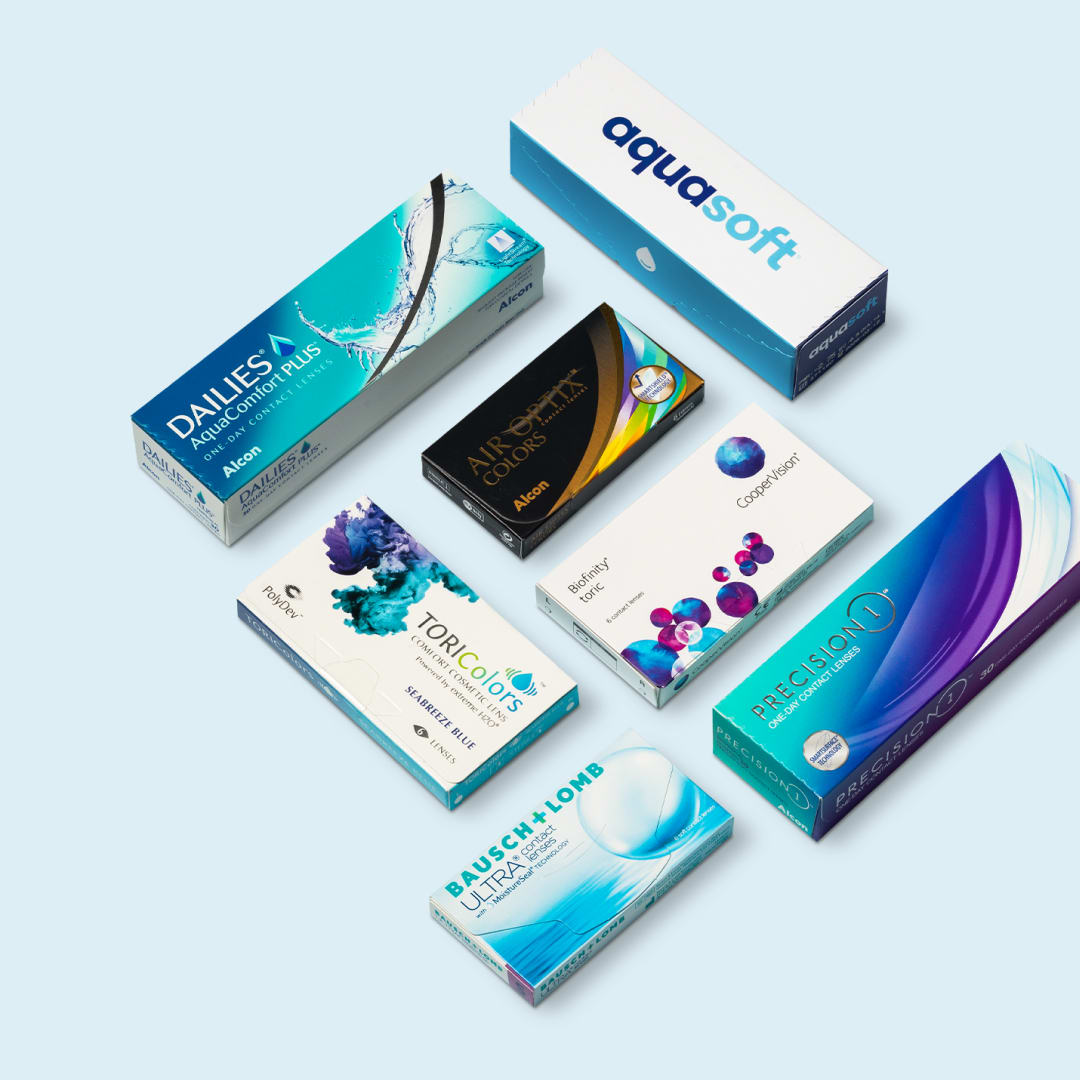
Order Contact Lenses Online
Learn how to order contact lenses online at 1-800 Contacts
Order contacts
Why do some blue eyes change over time?
Babies are often born with blue or grayish eyes. That’s because melanin production hasn’t fully developed yet.
As infants grow, melanin levels increase. For some babies, eyes darken into brown, hazel, or green. For others, they stay blue.
Even in adulthood, eye color can appear to shift slightly depending on:
-
Lighting
-
Clothing color
-
Makeup
-
Pupil size
-
Surrounding colors
Your eye color isn’t changing dramatically — but the way light interacts with it definitely is.
Are blue eyes more sensitive to light?
Sometimes, yes.
Because blue eyes have less melanin, they may be slightly more sensitive to bright light. Melanin helps absorb light, so less pigment can mean a little more glare.
But regardless of eye color:
-
Don’t skip eye exams.
-
Protect the eyes you have.
We care about all of them.
Can you be born with blue eyes if your parents aren’t blue-eyed?
Yes.
Genetics are a little more complicated than high school biology made them seem. Blue eye traits can be recessive, which means two brown-eyed parents can carry the gene variation and have a blue-eyed child.
Eye color inheritance isn’t a coin toss... it’s more like a layered probability puzzle.
Science: surprisingly dramatic.
Are blue eyes becoming rarer?
Not exactly.
Blue eyes aren’t disappearing, but they can seem less common globally because populations are more genetically mixed than they used to be.
Blue eyes are most common in Northern Europe, particularly in countries like Sweden, Finland, and Estonia, where the trait was historically concentrated. As people from different regions have children together, brown eye traits (which are usually dominant) appear more often, even though blue-eye genes are still being passed down.
So, it’s not extinction, its genetics reflecting a more connected world.
Why are blue eyes so culturally popular?
Throughout history, blue eyes have been romanticized in art, literature, and film. They’re often described as “piercing” or “mysterious.” Directors love a dramatic close-up. Poets love an ocean metaphor.
But here’s the thing: cultural fascination doesn’t equal superiority. Eye color is simply biology doing its thing.
Still, humans are visual creatures. We notice contrast. We notice rarity. And we’re naturally curious about what stands out.
That curiosity is part of why colored contact lenses have become so popular — they let you experiment without permanence.
How can you have blue eyes (even if you weren’t born with them)?
Here’s where things get fun.
If you’ve ever wondered what you’d look like with blue eyes, you don’t need a time machine or a new ancestry report. You just need the right colored contact lenses.
Blue contacts are one of the most popular cosmetic choices — especially for people with brown eyes who want a noticeable (but still natural-looking) change.
Will blue contacts work on brown eyes?
Yes, as long as you choose the right type.
If you have darker eyes, look for opaque colored lenses. These are designed to fully cover the natural iris color so the blue actually shows up.
For example, Air Optix Colors use layered pigment technology that helps create dimension instead of a flat, costume-y effect.
Natural light will make the blue pop more. Indoor lighting gives it a softer look. Either way, it’s a fun switch-up.

Are colored contacts safe?
Yes, when they’re prescribed and fitted properly.
In the U.S., all contact lenses require a valid prescription, even if they don’t correct your vision. That’s because fit matters. A lot.
Wearing lenses that aren’t properly fitted can cause irritation or infection. And we’re very into keeping your eyes healthy.
If your prescription has expired, you’ll need an updated exam before ordering. It’s a small step that makes a big difference.
How to make blue contacts look natural
A few quick tips:
-
Choose lenses with blended edges or subtle limbal rings
-
Consider your skin tone and hair color
-
Pair with warm-toned makeup (golds and bronzes love blue)
The goal isn’t “Whoa, what happened?”
It’s “Wait… have your eyes always looked like that?”
A quick word on eye health (because we're us)
We can’t talk about eye color without saying this:
Healthy eyes > trendy eyes.
Even cosmetic lenses need a prescription. Proper fit matters. Hygiene matters. Annual exams matter.
Trying a new color should feel fun — not risky.
We’re here for both the style and the safety.
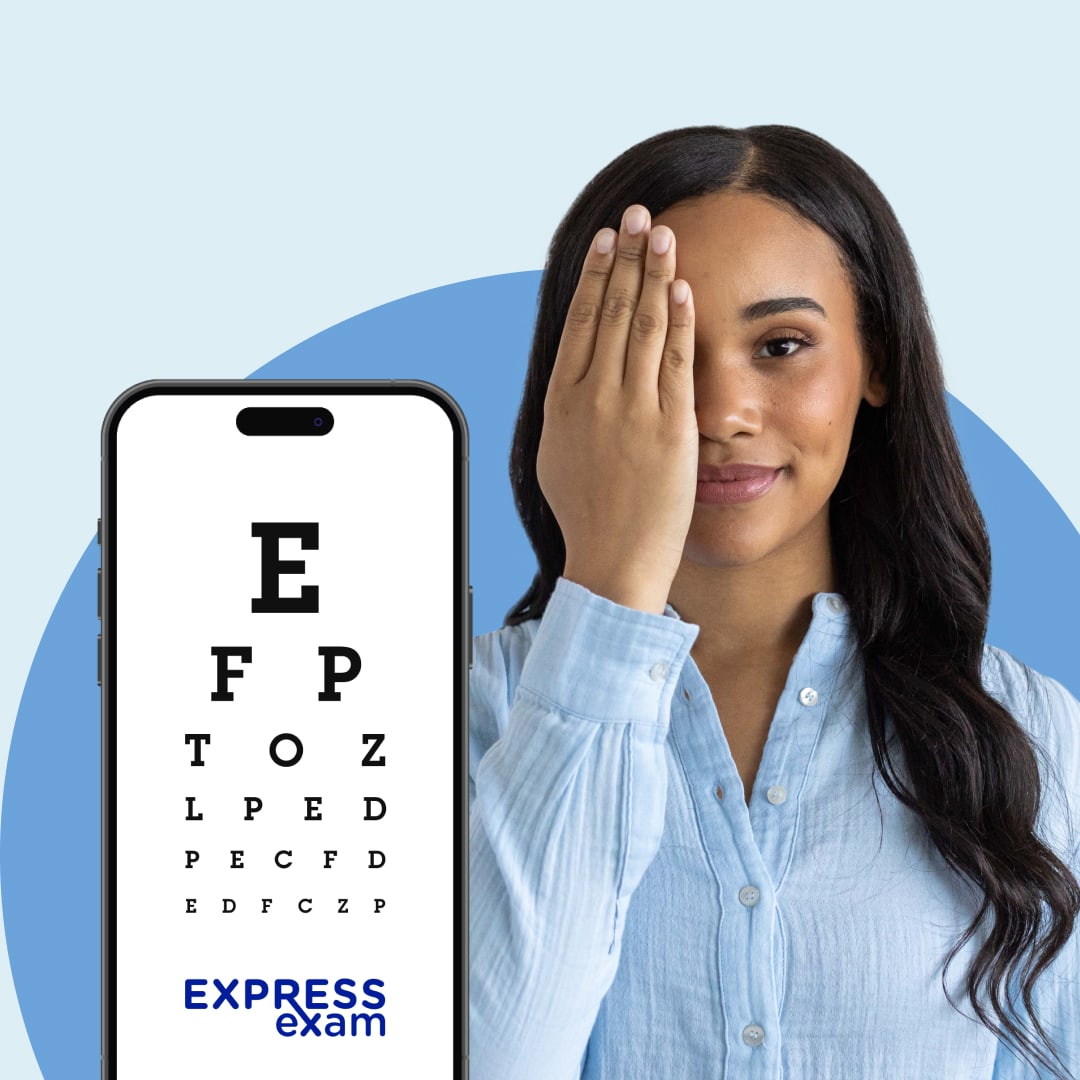
Online Vision Exam
Renew your prescription online with ExpressExam
Try ExpressExam
So… Why are blue eyes so fascinating?
Partly because they’re less common.
Partly because they play tricks with light.
Partly because humans love what feels rare.
Blue eyes are the result of genetics, physics, and a tiny mutation from thousands of years ago that stuck around.
Whether you were born with them or you’re just curious what you’d look like with them, eye color is one of the easiest ways to change up your look.
And if you’re thinking about trying blue contacts?
We’ve got you.
See how to get free shipping on affordable lenses, as well as the time it takes to get them and how to save time and money on the entire process. How much are contact lenses? Compare the prices of daily, weekly, biweekly, and monthly contact lenses and find the best option for you. See where to order contacts online, according to price and shipping times. Compare top online retailers to find the best deal for you. Everything you need to know about contact lenses
Free shipping for contact lenses
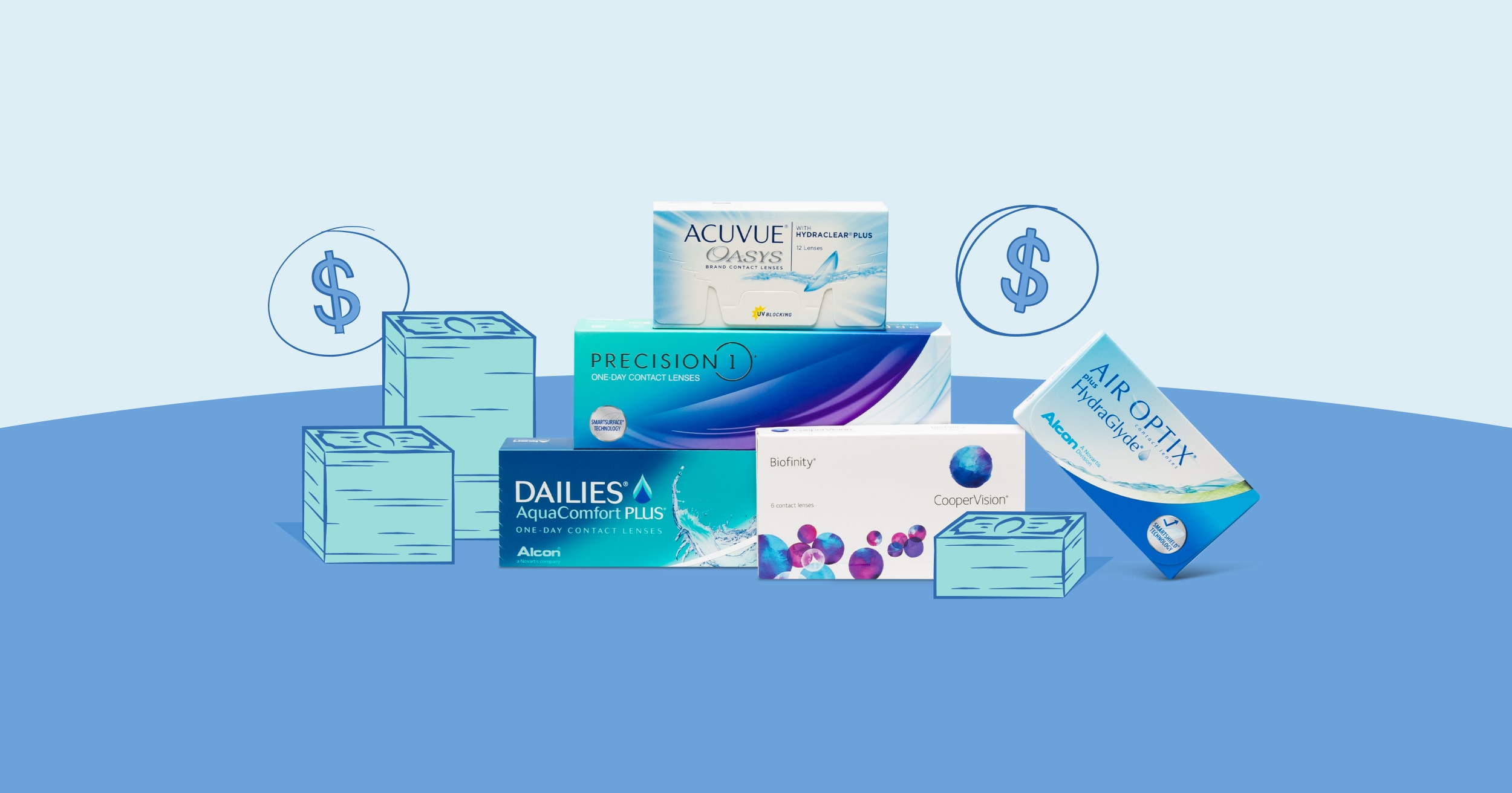
How much do contacts cost?
Where to order contacts online
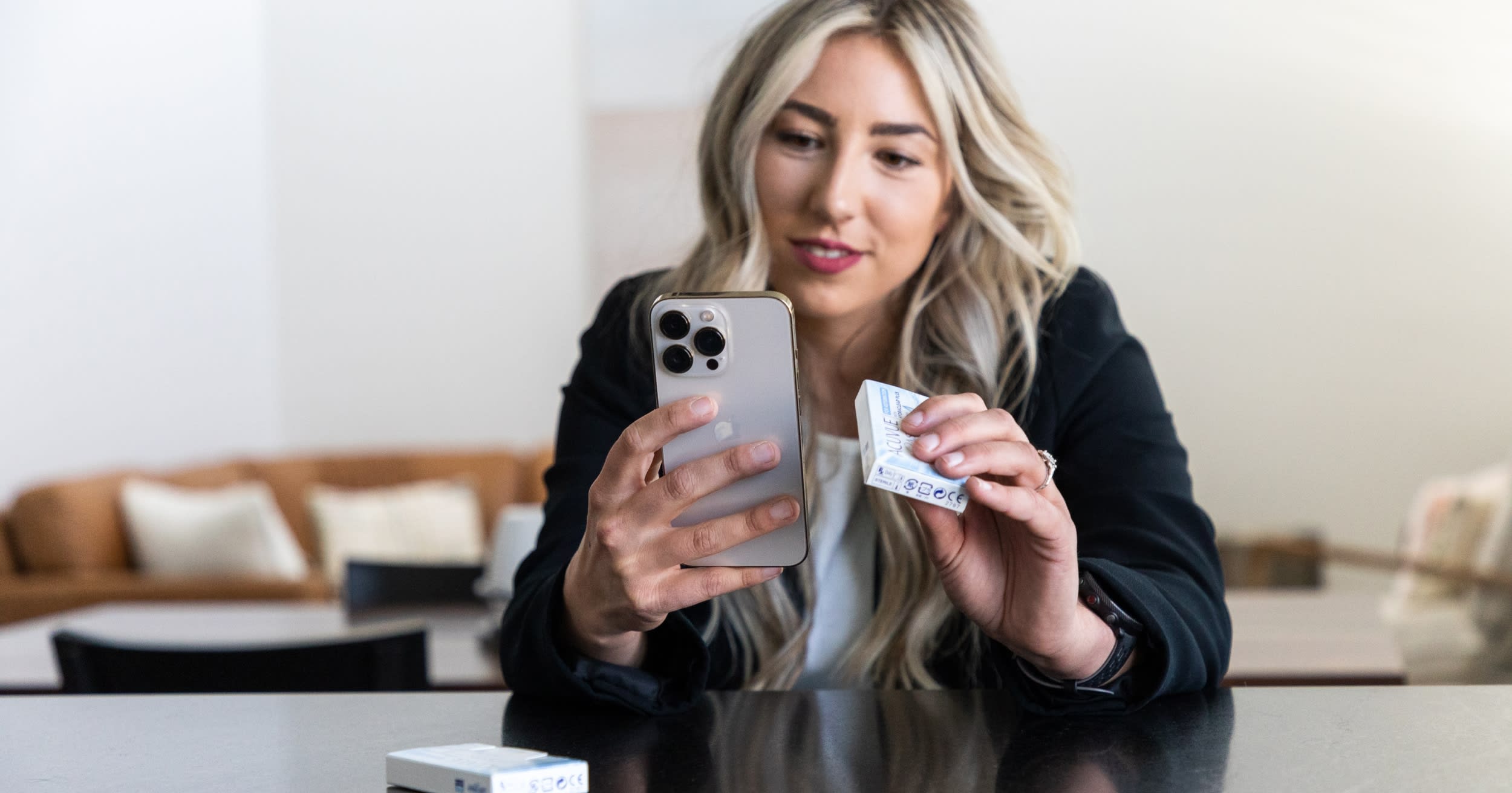
Did you know you can order contacts online?
Say goodbye to trips to the eye doctor and hello to convenience! With 1-800 Contacts, you can easily order your contact lenses online and have them delivered straight to your door. Plus, our online vision exam makes it simple to get the prescription you need without leaving home. And the best part? You’ll save money on your first order with 1-800 Contacts. It’s never been easier to get your contacts!